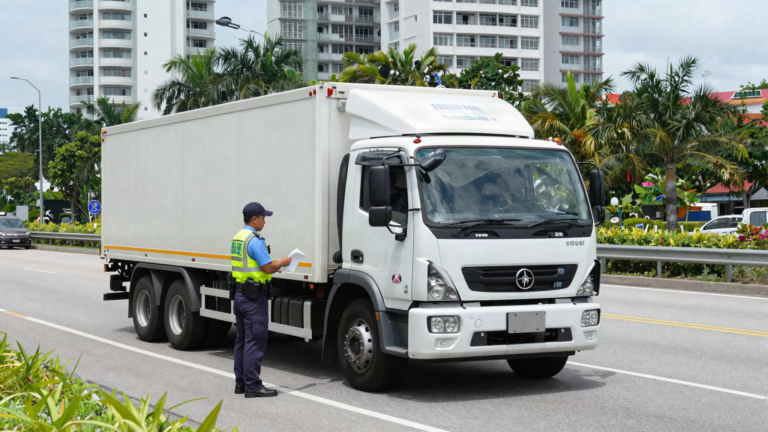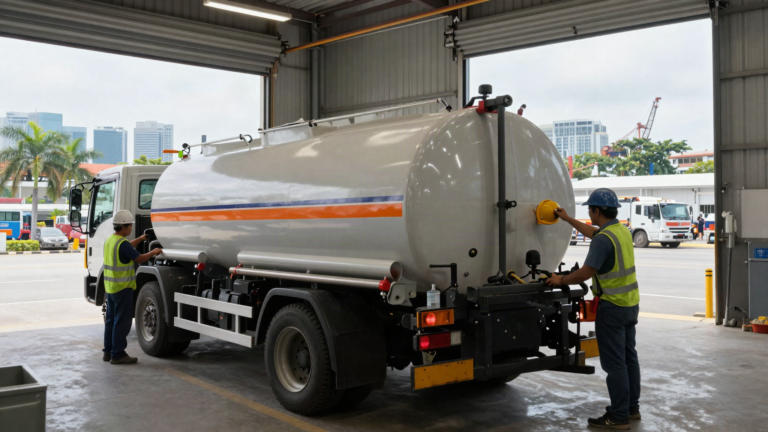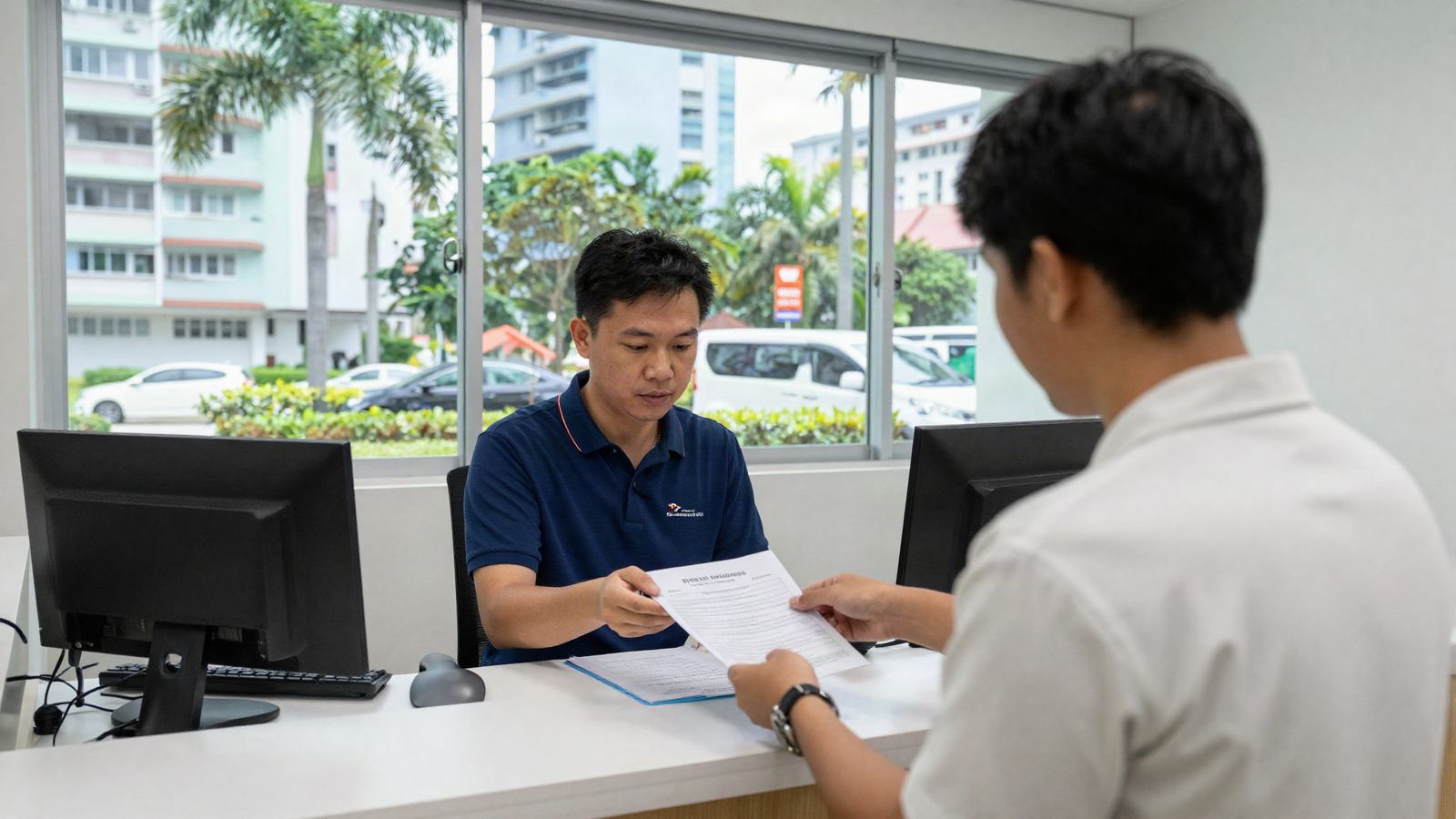
Vehicle Parking Certificate (VPC) in Singapore: What Commercial Vehicle Owners Need to Know
A Vehicle Parking Certificate (VPC) is proof, required by LTA, that a heavy vehicle has a designated parking space before it can be registered, have its road tax renewed, or change ownership. It applies to heavy goods vehicles and concrete mixers above 5,000kg, buses seating more than 15, mobile cranes and recovery vehicles above 2,500kg unladen, and (subject to a current suspension trial) heavy trailers. It costs $6, is tied to your road tax period, and is issued by HDB, URA, or a licensed private parking operator once you hold a valid parking lot.
Key Takeaways
- VPC is a parking-space proof, not a vehicle inspection document. It confirms you have a licensed lot for your heavy vehicle — it says nothing about roadworthiness.
- It applies to specific heavy vehicle categories only. HGVs and concrete mixers above 5,000kg MLW, buses with more than 15 seats, mobile cranes and recovery vehicles above 2,500kg unladen weight, and certain trailers.
- Trailers are on a two-year VPC suspension trial. From 6 February 2026 to 5 February 2028, container trailers, low loaders, and flat-bed trailers do not need a VPC — but this is a trial, not a permanent exemption.
- You need it at multiple checkpoints, not just once. New registration, road tax renewal, ownership transfer, and scheme conversion all require proof of a valid parking space.
- It’s cheap but administratively unforgiving. The certificate costs $6, but it’s non-transferable between vehicles, locations, or owners, and non-refundable if your plans change.
- VPC is one line item in a longer registration checklist. Goods vehicles also need COE, inspection clearance, and — depending on weight class — blind spot equipment and other add-ons before LTA will register them.
What a Vehicle Parking Certificate Actually Certifies
The VPC scheme exists because heavy vehicles left overnight on public roads, verges, or industrial estate shoulders create obstruction and safety problems at a scale a car parked badly doesn’t. LTA’s answer was to require owners of specific heavy vehicle categories to secure a fixed, licensed parking lot before the vehicle can be registered — and to keep proving they still have one every time road tax comes up for renewal or the vehicle changes hands.
The certificate itself doesn’t say anything about your vehicle’s mechanical condition, emissions, or safety equipment — that’s what periodic inspection and COE renewal cover. A VPC is purely a parking-space record: it names a designated lot, ties that lot to your vehicle, and gives LTA a way to enforce the rule that these vehicles can’t sit on midnight-to-6am obstruction between uses.
Which Vehicles Need a VPC
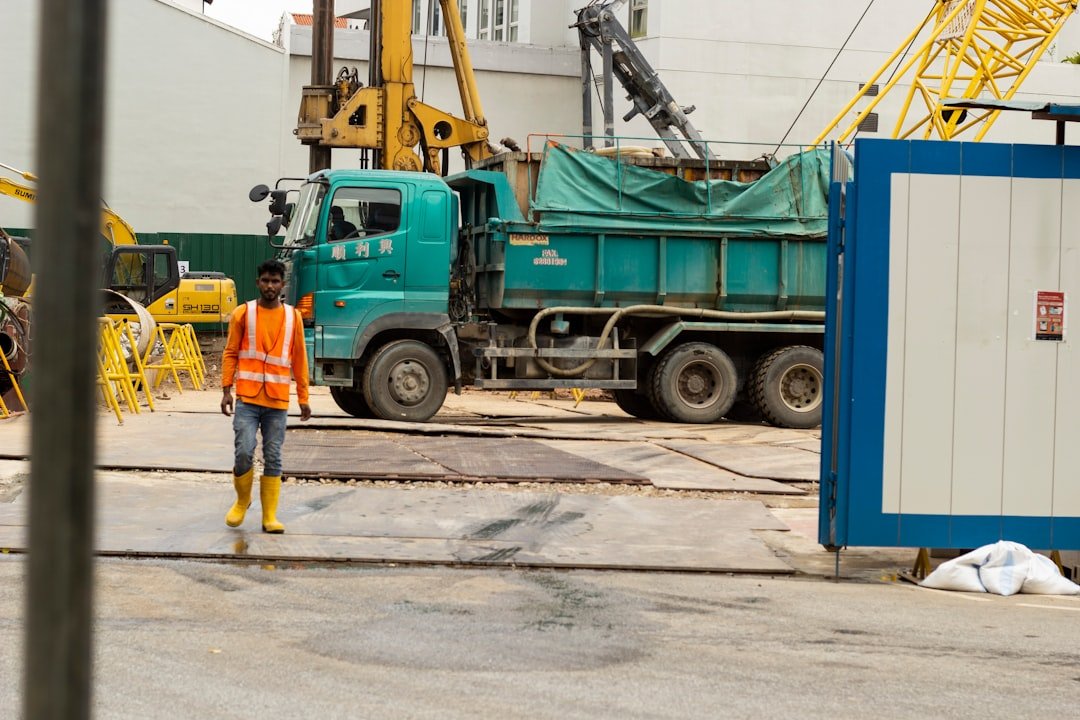
Not every commercial vehicle in your fleet needs one. The scheme is scoped to four categories, each defined by a specific weight or seating threshold:
- Heavy goods vehicles and concrete mixers with a maximum laden weight (MLW) above 5,000kg.
- Buses with a seating capacity of more than 15 persons, not counting the driver.
- Trailers — container trailers, low loaders, and flat-bed trailers — with an MLW above 5,000kg (currently suspended under the 2026-2028 trial described below).
- Mobile cranes and recovery vehicles with an unladen weight above 2,500kg.
If your fleet is mostly light vans and pickups under the light goods vehicle threshold, none of this applies to you — VPC only bites once you’re operating in HGV, VHGV, or heavy trailer territory. If you’re weighing up whether a heavier commercial vehicle purchase makes sense for your operation in the first place, it’s worth reading through what else changes at that weight class in our guide to buying a commercial vehicle in Singapore before you commit.
A VPC costs $6 and its validity period is tied to your vehicle’s road tax period — it doesn’t run on its own separate clock. It is not transferable between vehicles, parking locations, or owners, and it is not refundable under any circumstances, including if you sell the vehicle or give up the parking lot early. Budget for a fresh application, not a partial refund, whenever those change.
The 2026 Trial: VPC Suspended for Trailers
If you run container trailers, low loaders, or flat-bed trailers, the rules just moved. LTA started a two-year trial on 6 February 2026, running through 5 February 2028, that suspends the VPC requirement for these three trailer types. The change came out of feedback from heavy vehicle and trailer owners, worked through with the Singapore Transport Association — the reasoning being that trailers, unlike prime movers and buses, are typically stored within industrial premises and can be parked vertically when unloaded, so the same overnight-obstruction logic that justifies VPC for other heavy vehicles doesn’t map cleanly onto trailers.
Two things worth flagging for anyone managing a trailer fleet. First, this is a trial, not a rule change — LTA can let it lapse or make it permanent at the end of the two years, and a fleet manager should treat February 2028 as a date to watch rather than assume the suspension is now the settled position. Second, LTA has been explicit that no refunds are being issued for VPC fees already paid before the trial began, so don’t expect a rebate on trailer VPCs you’re currently holding. Regular heavy goods vehicles, buses, mobile cranes, and recovery vehicles are unaffected — they remain fully subject to VPC throughout the trial.
How to Get or Renew a VPC

The certificate itself is issued by whoever controls the parking lot you’re using — HDB, URA, or a licensed private parking operator — but the underlying scheme sits with LTA, and the lot has to be one LTA has licensed for heavy vehicle parking before an operator can issue a VPC against it. In practice, the sequence runs:
- Secure a season parking ticket at a designated heavy vehicle parking space — through HDB, URA, or a private operator running an LTA-licensed heavy vehicle park.
- Apply for (or renew) the VPC through the relevant channel — URA runs an e-service for owners applying or renewing against an existing season parking ticket.
- Once approved, the new or renewed VPC is transmitted to LTA, typically by the next working day, and becomes the record LTA checks at registration, road tax renewal, transfer, or scheme conversion.
Because the certificate is bound to a specific vehicle and a specific lot, moving depots, switching parking operators, or swapping a vehicle within your fleet all trigger a fresh application rather than a transfer. If you’re planning a depot relocation, build the VPC re-application into your timeline — it’s a small cost but it sits on the critical path for road tax renewal if you leave it too late.
What Happens Without a Valid VPC
A vehicle in a VPC-covered category can’t be registered, have its road tax renewed, or be transferred to a new owner without a valid certificate — LTA checks for it at each of those checkpoints. Separately, the parking restriction the VPC exists to enforce carries its own penalty: heavy vehicles found parked outside their designated VPC space between midnight and 6am, when not in active use, are liable to a fine and, in more serious or repeat cases, imprisonment. For a fleet manager, the practical risk isn’t usually the certificate itself — it’s discovering a lapsed VPC at the moment road tax is due and having no fallback parking arrangement lined up in time.
VPC in Context: Registering a Goods Vehicle in Singapore
VPC is one requirement among several at the point a goods vehicle gets registered, and it helps to see where it sits. LTA classifies goods vehicles by maximum laden weight: light goods vehicles (LGV) at up to 3,500kg, heavy goods vehicles (HGV) from 3,501kg to 16,000kg, goods-cum-passenger vehicles (GPV) up to 5,000kg, and very heavy goods vehicles (VHGV) above 16,000kg. Note that this registration classification and the VPC trigger threshold aren’t identical — VPC kicks in above 5,000kg MLW for HGVs and concrete mixers specifically, which is a narrower slice than the full HGV band.
For a new goods vehicle, the registration path (whether through a dealer or self-registration) generally involves a Vehicle Approval Code application through VITAS, inspection at an LTA-Authorised Inspection Centre, document submission — Form R01 plus company or personal identification — at an LTA Customer Service Centre appointment, payment of registration fee, Additional Registration Fee, COE quota premium, and road tax, then plate installation within three days of registration. Goods vehicles also carry a 20-year operating lifespan before mandatory deregistration, which is worth factoring into any total cost of ownership calculation alongside the COE bidding decision covered in our piece on COE Category C for commercial vehicles.
Beyond VPC and the core registration steps, weight and vehicle type bring additional requirements. HGVs and VHGVs with MLW above 12,000kg and registered from 1 April 2015 need compliant blind spot mirrors or devices — meeting European (UN ECE R46) or Japanese (JSR 44) standards, or Fresnel lenses for older vehicles — to pass periodic inspection. Lorries fitted with cranes need an audio warning system that detects whether the crane is properly stowed. And any vehicle exceeding standard dimension limits needs an Oversized Vehicle Movement permit, applied for through LTA with several days’ advance notice. None of this is exotic, but it’s easy to miss one line item when you’re juggling a registration checklist for the first time — which is also where making sure drivers are correctly licensed and compliant matters, something we cover in our guide to MOM driver compliance in Singapore.
Practical Checklist for Fleet Managers
Before you register or renew road tax on any vehicle that might fall into a VPC category, confirm three things: the vehicle’s exact MLW or unladen weight against the thresholds above, whether your current parking arrangement is on an LTA-licensed heavy vehicle lot (not just any convenient yard), and whether your VPC’s validity still lines up with your road tax due date. If you’re adding trailers to the fleet during the current trial window, keep a note of the February 2028 review date so the change doesn’t catch your compliance calendar off guard.
FAQ
Does every commercial vehicle need a Vehicle Parking Certificate?
No. VPC only applies to specific heavy vehicle categories — HGVs and concrete mixers above 5,000kg MLW, buses seating more than 15, mobile cranes and recovery vehicles above 2,500kg unladen weight, and (outside the current trial) certain heavy trailers. Light goods vehicles and standard vans and pickups don’t need one.
How much does a VPC cost and how long does it last?
A VPC costs $6. Its validity is tied to the vehicle’s road tax period rather than running on a fixed independent term, so it effectively needs revisiting each time road tax comes up for renewal.
Can I transfer my VPC if I sell the vehicle or move parking lots?
No. A VPC is not transferable between vehicles, parking locations, or owners, and it is not refundable. Any change to the vehicle, the owner, or the parking space requires a new application.
Do trailers need a VPC in 2026?
Container trailers, low loaders, and flat-bed trailers are currently exempt under a two-year LTA trial running from 6 February 2026 to 5 February 2028. This is a trial suspension, not a permanent removal of the requirement, so trailer owners should watch for LTA’s decision at the end of the trial period.
Who actually issues the VPC — LTA, HDB, or URA?
The parking lot operator issues the certificate — this can be HDB, URA, or a licensed private parking operator — but only once the lot itself is one LTA has licensed for heavy vehicle parking. The scheme is administered by LTA, and approved VPCs are transmitted to LTA to update the vehicle’s record.
What happens if my heavy vehicle is parked outside its VPC space overnight?
Heavy vehicles found parked outside their designated VPC space between midnight and 6am, when not in use, are liable to enforcement action, including a fine. Separately, without a valid VPC on record, you won’t be able to complete registration, road tax renewal, or ownership transfer for the vehicle.
Author: Keith Kwai, editor and publisher of SGFleetGuide, with 25 years experience in B2B and B2C companies. More about the author.
Last updated: 11 September 2026
Sources: LTA OneMotoring – Parking (VPC scheme details); LTA News Release – Two-Year Trial to Suspend VPC Requirement for Trailers (6 February 2026); URA – Vehicle Parking Certificate; LTA OneMotoring – Goods Vehicle and Engineering Plant Registration; LTA – Procedures on Importation and Registration of a Goods Vehicle; LTA OneMotoring – Commercial Vehicles.