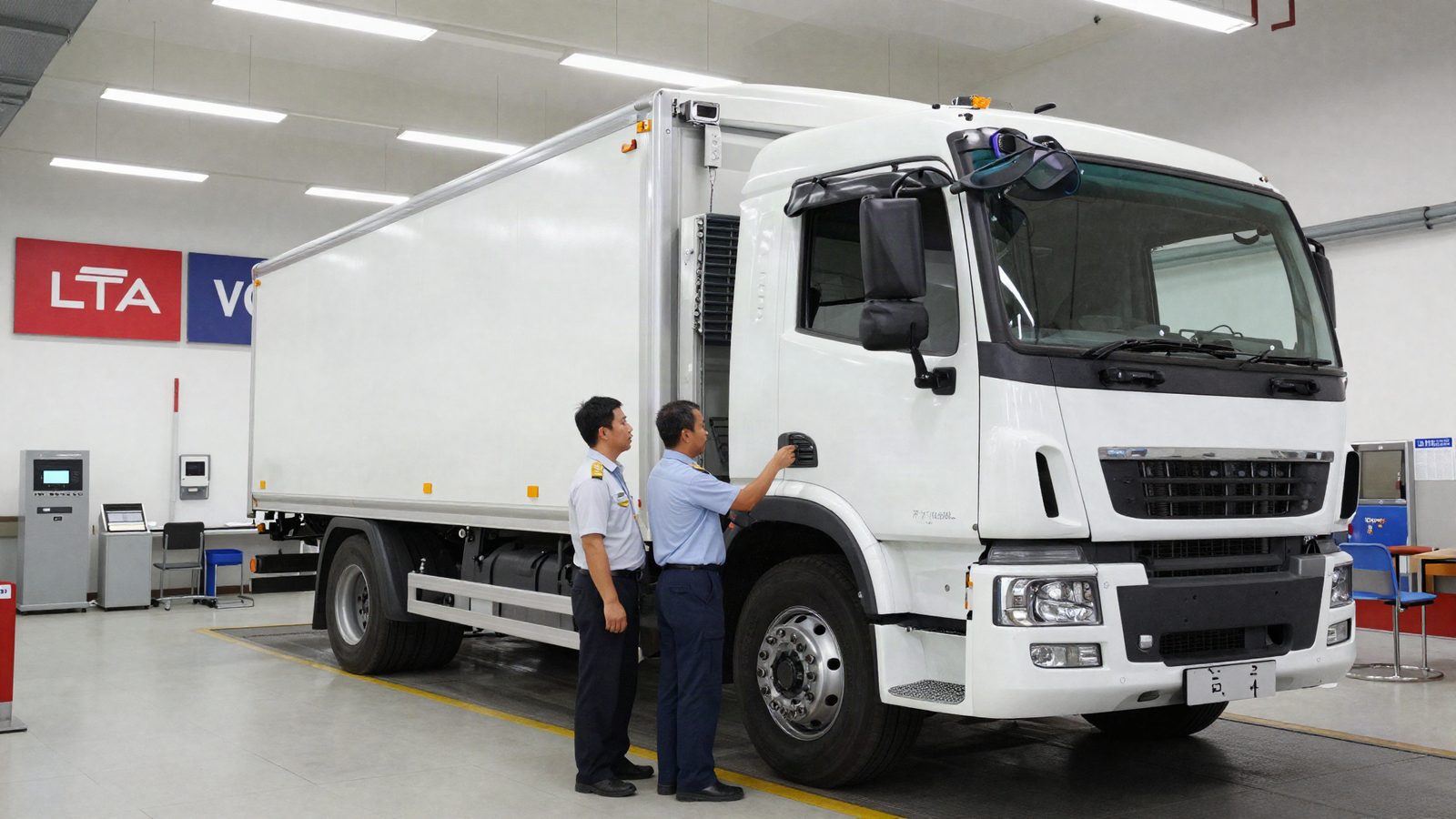
LTA Vehicle Inspection Requirements for Commercial Vehicles in Singapore: Frequency, Cost and Process
Goods vehicles and buses under 10 years old need an LTA periodic inspection annually; once a vehicle passes 10 years old, that becomes every 6 months (omnibuses are 6-monthly at every age). Inspections happen at LTA-authorised inspection centres, cost roughly $70-$92 depending on vehicle class, and a missing or failed inspection blocks road tax renewal — which means you can’t legally keep the vehicle on the road.
Key Takeaways
- Frequency depends on age, not a fixed calendar date: goods vehicles and general buses are inspected annually until age 10, then every 6 months after that; omnibuses are 6-monthly regardless of age.
- Inspection is tied directly to road tax: LTA will not let you renew road tax if a due inspection hasn’t been passed, so a lapsed inspection effectively takes the vehicle off the road.
- You get roughly 3 months’ notice before your due date, but you don’t have to wait for the LTA notice — you can book early, provided it’s not more than 3 months ahead of the due date (earlier than that and the result won’t count for road tax renewal).
- Fees run from about $36 to $92 per session (GST included) depending on vehicle class and whether it’s a first inspection or a re-inspection after a fail.
- A failed inspection isn’t the end of the road — you fix the defect and go back for a paid re-inspection, but the clock on your road tax deadline keeps running regardless.
- For fleets, the real skill is scheduling — staggering renewal dates across a mixed-age fleet and bundling inspection trips with maintenance saves more admin time than anything else in this article.
Why commercial vehicles get inspected more often than cars
If you’ve only ever dealt with LTA inspection through a private car, the commercial vehicle schedule looks aggressive by comparison. A car doesn’t need its first inspection until it’s 3 years old, and even then it’s once every 2 years until age 10. Goods vehicles and buses skip that grace period entirely — inspection starts annually from a much earlier point in the vehicle’s life, and the interval only gets tighter with age.
The logic is straightforward: a goods vehicle or bus does more mileage, carries more load, and its failure mode on the road affects more than the driver — a brake failure on a 24-tonne truck is a different order of risk than the same failure on a hatchback. LTA’s periodic inspection regime exists to catch mechanical and safety deterioration before it becomes a road incident, and commercial vehicles get checked on a schedule that reflects how hard they’re worked.
This sits alongside — not instead of — the checks your vehicle already goes through at COE renewal for Category C vehicles. COE and periodic inspection are two separate compliance tracks that happen to intersect: you need a valid inspection to keep road tax current, and you need current road tax to keep the vehicle legally on the road regardless of how much COE you have left.
The actual inspection interval schedule
Based on LTA’s published inspection frequency table, here’s how it breaks down for commercial vehicle categories:
Goods vehicles
- Under 3 years old: annually
- 3 to 10 years old: annually
- Over 10 years old: every 6 months
Buses (general / “all other buses”)
- Under 3 years old: annually
- 3 to 10 years old: annually
- Over 10 years old: every 6 months
Omnibuses
- All ages: every 6 months, regardless of vehicle age
Trailers follow their own annual-at-every-age schedule, and vehicles running on CNG or bi-fuel systems (a growing slice of goods fleets) face an additional 3-monthly check on top of the standard periodic inspection, per LTA’s schedule notes.
One detail that catches fleet managers out: the “annually” and “6-monthly” intervals are anchored to each individual vehicle’s registration date, not a fixed calendar month. Two trucks bought in the same financial year but registered six weeks apart will have inspection due dates six weeks apart, permanently, unless you deliberately manage that drift.
LTA sends an inspection notice about 3 months before your vehicle’s inspection due date — but you’re not required to wait for it. You can bring the vehicle in earlier. The catch: if you inspect more than 3 months ahead of the actual due date, LTA will not accept that result for road tax renewal, and you’ll need to go again closer to the deadline. Plan the early slot, but don’t plan it too early.
Where inspections happen
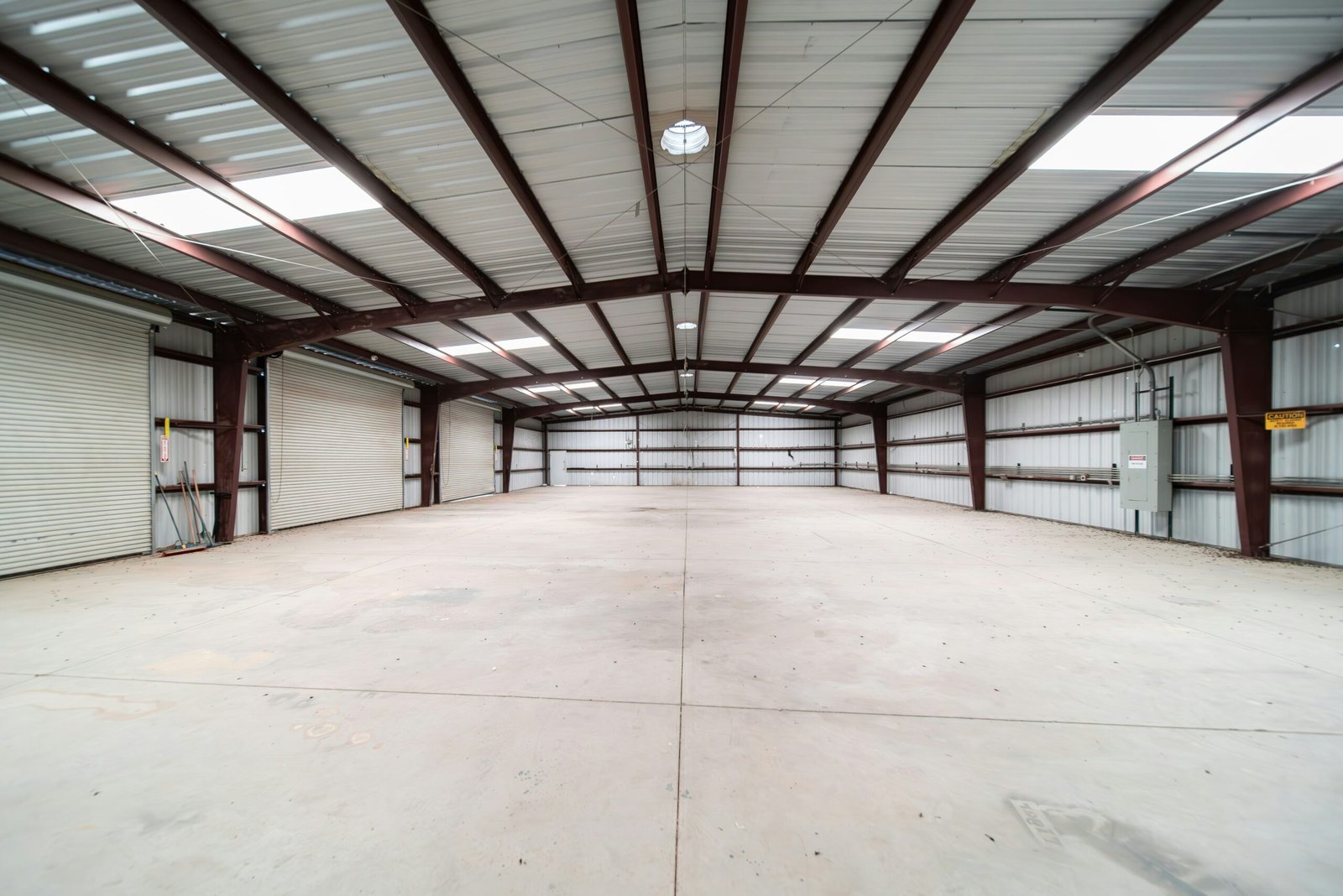
Periodic inspections are carried out at LTA-authorised inspection centres (AICs) — the two long-standing operators most fleet managers deal with are VICOM and STA, alongside other authorised centres such as JIC. All of them operate under the same LTA-set inspection standards and checklist, so the result is equivalent regardless of which authorised centre you use. This guide isn’t going to rank one over another — pick based on location, appointment availability, and how your fleet routes on inspection day, not brand.
Each centre publishes its own fee schedule, but as a general guide, published rates for goods vehicles and buses run from roughly $36 for a lighter re-inspection up to around $92 for a first inspection on a heavier multi-axle commercial vehicle, GST included. Re-inspections after a failed session are charged separately and are typically priced lower than a first inspection, but they’re still an added cost on top of whatever repair got the vehicle back to standard.
What the inspection actually checks
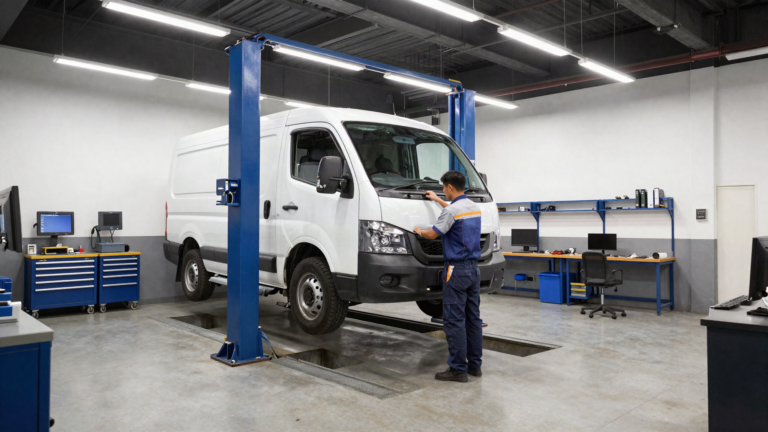
The periodic inspection isn’t a paperwork exercise — it’s a physical check of the systems that keep a vehicle safe and legal to operate. Based on LTA’s inspection scope, the main areas covered are:
- Structural integrity — chassis and body condition, corrosion, and structural modifications
- Braking system — service and parking brake performance
- Steering system — play, alignment, and steering component condition
- Wheel system — tyres, wheel bearings, and suspension components
- Visual and indication systems — lights, indicators, mirrors, and (for heavier goods vehicles) the blind-spot mirror or device requirements that apply to HGVs and VHGVs above 12,000kg maximum laden weight
- Propulsion system — engine condition and emissions compliance
For fleets running lorries fitted with cranes or other attachments, there are additional requirements layered on top of the base inspection — LTA has specific compliance checks for crane-lorries that go beyond the standard roadworthiness items, so if that describes part of your fleet, don’t assume the standard checklist covers everything your vehicle needs to pass.
If your fleet includes vehicles with retrofitted safety features, aftermarket bodywork, or non-standard modifications, it’s worth reviewing them against current requirements before inspection day rather than finding out at the centre — the same discipline applies whether you’re prepping a vehicle for inspection or reviewing driver conduct under your safety and driving standards.
The appointment and booking process
In practice, booking an inspection slot is done directly with the authorised inspection centre you choose — most take bookings online or by phone, and popular slots (especially near month-end, when many operators cluster their renewals) fill up ahead of time. The practical workflow looks like this:
- Check your vehicle’s inspection due date — it’s tied to the registration date, and you’ll get an LTA notice roughly 3 months out.
- Book a slot at an authorised centre. Earlier is generally better for availability, but stay inside that 3-month window before the due date so the result counts.
- Bring the vehicle in roadworthy condition — a pre-inspection check on brakes, tyres, lights, and fluid levels avoids a wasted trip and a same-day fail.
- If it passes, the result is logged against the vehicle and road tax renewal can proceed. If it fails, you’ll get a list of defects to fix before a paid re-inspection.
There’s no getting around the in-person visit — periodic inspection is a physical test, not a desk review, so factor vehicle downtime and driver time into your operational planning the same way you would for a service appointment.
What happens if a vehicle fails or misses its inspection
A failed inspection means the vehicle doesn’t get a pass logged, and you’ll need to repair the flagged defects and return for a re-inspection — at your own cost and on your own time. There’s no provisional pass; the vehicle needs to clear the check before the result is accepted.
The bigger operational risk is a missed inspection altogether. LTA’s own guidance ties periodic inspection directly to road tax renewal: if your vehicle is due for inspection and hasn’t passed one, you cannot renew road tax. And keeping a vehicle on the road without current road tax is a separate offence in its own right — driving an unlicensed vehicle can attract a fine of up to $2,000, on top of whatever it costs you to get the vehicle compliant afterward. For a commercial vehicle, that’s not an abstract penalty — it’s a truck or bus sitting idle, unable to legally operate, while you sort out the paperwork and the mechanical fix.
The practical takeaway: treat the inspection due date as a hard operational deadline, not a soft one. A vehicle that can’t be used because its road tax lapsed is a vehicle that isn’t earning, and the fix usually takes longer to unwind than it would have taken to book the inspection on time in the first place.
Managing inspection schedules across a fleet
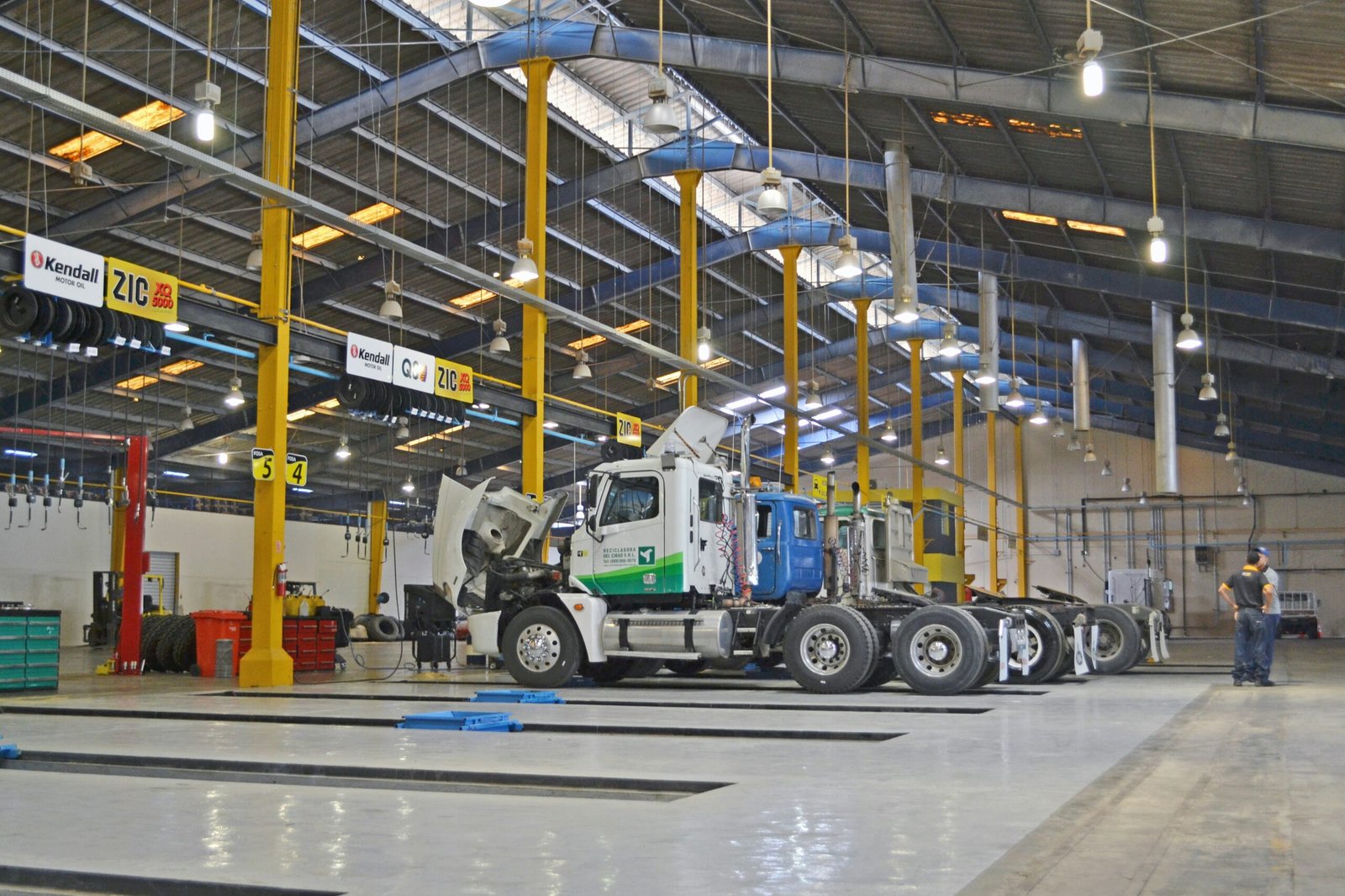
Once you’re running more than a handful of vehicles, inspection compliance stops being a one-off task and becomes a scheduling problem. A few things that make a real difference:
Keep a live register of due dates
Every vehicle’s inspection due date is fixed by its registration date. A simple spreadsheet — plate number, registration date, vehicle age band, next due date — beats relying on LTA’s notice letter arriving on time and someone remembering to act on it. Update it whenever you acquire or dispose of a vehicle, and review it monthly, not just when a notice lands.
Stagger renewals deliberately where you can
If you’re buying several vehicles at once — say, expanding the fleet ahead of a contract — registering them a few weeks apart, where operationally feasible, spreads out your future inspection load instead of creating a cluster of vehicles all due in the same week every year. It’s a small thing to plan for at purchase time, but it pays off every renewal cycle after that.
Bundle inspection with maintenance, not against it
Since inspection checks brakes, tyres, steering, and structural condition — the same items your workshop already tracks — schedule a maintenance check shortly before the inspection appointment rather than after a fail. Catching a worn brake pad or a marginal tyre in your own workshop is cheaper and faster than catching it at the inspection centre, where a fail means a second paid visit and lost road time.
Plan for the age-10 step-change
The jump from annual to 6-monthly inspection at the 10-year mark roughly doubles your inspection administration and cost for that vehicle going forward. If you’re weighing whether to keep an ageing goods vehicle or replace it, factor in this shift in inspection frequency and cost alongside COE and maintenance trends — it’s a real, recurring cost that older fleet assets carry that newer ones don’t.
Assign clear ownership
In a small fleet, inspection scheduling often falls through the cracks between whoever handles admin and whoever handles vehicles. Make one person accountable for the due-date register and the booking process, with a calendar reminder set well ahead of the 3-month notice window — not after it.
FAQ
Do new goods vehicles need inspection in their first year?
Yes. Unlike private cars, which get a 3-year grace period before their first inspection, goods vehicles and general buses are on an annual inspection schedule from early in their registered life, under LTA’s published inspection frequency table.
Can I choose which inspection centre to use?
Yes. Any LTA-authorised inspection centre — including VICOM, STA, and JIC — can carry out the inspection, and the result is recognised the same way regardless of which one you use. Choose based on location and appointment availability.
How much does a commercial vehicle inspection cost?
Published rates vary by vehicle class, but as a general range, expect roughly $36 to $92 per session (including GST) depending on whether it’s a light or heavy goods vehicle/bus, and whether it’s a first inspection or a re-inspection. Confirm current pricing directly with your chosen inspection centre, since rates are set and revised by each operator.
What happens if my vehicle fails inspection?
You’ll be given the list of defects that caused the fail. Fix them, then book a paid re-inspection. There’s no partial or conditional pass — the vehicle needs to clear the check before the result is logged and road tax renewal can proceed.
Can I get inspected earlier than my due date?
Yes, you don’t have to wait for LTA’s notice. But if you inspect more than 3 months before the actual due date, the result won’t be valid for road tax renewal — you’ll need to inspect again closer to the deadline.
Is periodic inspection the same thing as COE renewal?
No. Periodic inspection is a recurring roadworthiness check tied to your inspection due date and road tax; COE renewal is a separate process about extending your vehicle’s certificate of entitlement to keep it registered beyond its initial 10-year COE period. You need both in order, independently, to keep a Category C vehicle legally on the road long-term.
Author: Keith Kwai, editor and publisher of SGFleetGuide, with 25 years experience in B2B and B2C companies. More about the author.
Last updated: 11 September 2026
Sources: LTA OneMotoring – Vehicle Inspection; LTA OneMotoring – Road Tax; LTA – Authorised Vehicle Inspection Centres; LTA OneMotoring – Commercial Vehicles; STAI – Vehicle Inspection Fees.

One Comment