LTA plans AI road video system from 2028 to flag incidents and possibly illegal parking
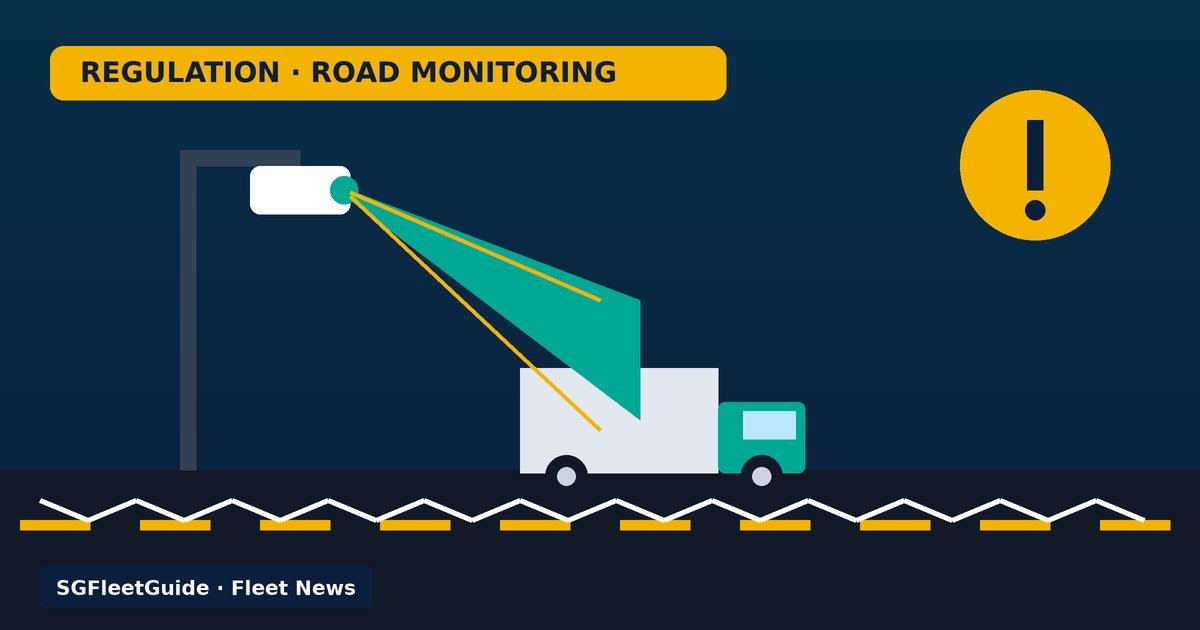
According to tender documents posted on GeBIZ on 16 October, the system must automatically alert the authorities to vehicles that stop unexpectedly, vehicles driving against traffic, objects blocking lanes such as vehicle parts or construction debris, and fire, smoke or flooding in tunnels. It will pull together CCTV from arterial roads, expressways and tunnels, handle at least 960 video streams, sort vehicles into types including vans, light goods and heavy goods vehicles, and build a timeline and possible causes for each incident. The tender is expected to be awarded in the second quarter of 2027. An option in the tender covers up to 2,500 illegal-parking camera streams, with a staff member confirming each detected offence.
What this means for fleet operators
This touches almost every commercial fleet: vans and lorries that stop at the kerb to load and unload, heavy vehicles on expressways and in tunnels, and contractors whose vehicles work inside road work zones. Nothing changes on the road today. The rollout starts in 2028, and illegal-parking detection is still an option LTA is exploring. But the direction is clear: more of what your vehicles do on public roads will be watched, recorded and reviewed, so habits you fix now will matter later.
Compliance check: kerbside stops
The report lists the parking offences such cameras could pick up. Make sure every driver knows them:
- Stopping at a zebra crossing or along a road with a single white zig-zag line.
- Parking within 6m of a junction.
- Ignoring a “no waiting” sign.
- Stopping a vehicle facing against the flow of traffic.
Quick drop-offs are where these happen most. Our guide to Traffic Police rules for commercial vehicles sets out the wider rules your drivers work under. For current parking rules and penalties, check LTA (lta.gov.sg) and OneMotoring (onemotoring.lta.gov.sg) rather than relying on habit.
What to do now
- List the regular drop points where your drivers stop on the street, and find the nearest legal loading bay or car park for each one.
- Decide now how parking notices are handled: who checks them, how they reach the driver, and who pays. Put it in writing before cameras make notices more frequent.
- Pull a month of stop data from your fleet telematics and look for repeated short stops in the same street. These are your likely hot spots.
- If your vehicles work in road work zones, check that barricades, cones and protective equipment are in place every shift. The tender also covers cameras that flag unsafe work-zone practices.
Driver briefing for your next toolbox talk
- A quick stop is still a stop. Do not stop on zig-zag lines, at crossings or close to a junction, even for one parcel.
- Secure your load before you leave. The system is built to flag objects and vehicle parts lying in traffic lanes, and anything that falls from your lorry is a danger to everyone behind it.
- Check tailgates, tarpaulins and straps at every stop, not just at the depot. Our pre-trip vehicle inspection checklist covers the basics.
- If you break down on an expressway or in a tunnel, switch on your hazard lights, get the vehicle as far left as you safely can and call your supervisor straight away.
- Never reverse or turn against traffic to reach a loading point.
Cost impact
Parking fines and the admin time to process them are a steady leak for delivery fleets. Each notice also takes a supervisor away from planning. Fixing drop points and load-securing habits now costs little, and it keeps your record clean when camera coverage widens from 2028.
Source: The Straits Times, 14 November 2026 — Read the original
General information, not legal advice.