Mini van catches fire on the AYE near Lower Delta Road; no one hurt
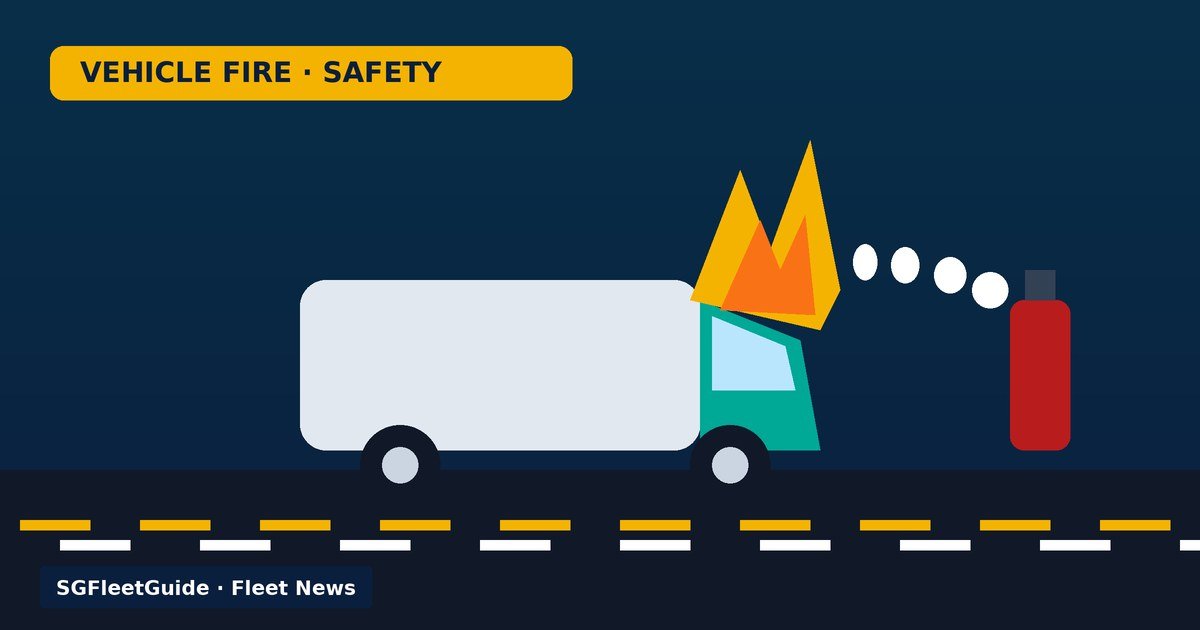
SCDF crews put the fire out with a water jet and a hose. Video posted on social media showed the van burning fiercely at around 5.50am, with two SCDF vehicles and several firefighters at the scene. SCDF said the cause of the fire is still under investigation.
What this means for fleet operators
This was one small van, but the risk applies to every fleet that runs vans, lorries or buses, especially older vehicles and those that start work before dawn. SCDF has not said what started this fire, so treat it as a prompt to check your own vehicles rather than a lesson about this one. A vehicle fire can destroy a van and its load within minutes and take it off the road for good.
What to do now
- Pull the service records for every vehicle. Flag any with overdue servicing, repeat electrical faults, or warning lights that drivers reported but nobody fixed. Our commercial vehicle maintenance schedule is a useful reference for intervals.
- Ask your workshop to look for the usual sources of vehicle fires at the next service: fuel and oil leaks, worn or chafed wiring, loose battery terminals, and oil or debris built up around the engine and exhaust.
- Check every electrical add-on fitted after purchase, such as extra lights, chargers, inverters, cameras or tracking units. Make sure each was installed properly and is protected by the right fuse.
- Add a smell of burning, smoke or a new warning light to your daily pre-trip inspection checklist, and tell drivers to report it before they set off, not at the end of the shift.
- If your vehicles carry a fire extinguisher, confirm each one is in date, charged and mounted where the driver can reach it quickly.
Driver briefing
- If you see smoke, smell burning or see the temperature gauge climbing, signal, pull over somewhere safe and switch off the engine.
- Get yourself and any passengers out and well away from the vehicle, behind the barrier if there is one. Do not go back for phones, documents or goods.
- Call SCDF and give the expressway, your direction of travel and the nearest exit or landmark so crews can find you.
- Do not open the bonnet if smoke is coming from the engine bay. Fresh air can make the fire grow fast.
- Only use an extinguisher on a small fire, and only if you have a clear way out.
- Report every fault, however small, the same day.
Cost impact
A burnt-out van is usually a write-off, and the loss goes beyond the vehicle. You also lose the goods on board, that day’s deliveries, and the time it takes to get a replacement on the road.
Check how your policy treats fire. Third-party-only cover does not pay for damage to your own vehicle, while third party, fire and theft or comprehensive policies may include it. Read the wording rather than relying on the policy name. Our guide to third-party versus comprehensive cover for an ageing fleet sets out the trade-offs. Goods on board are a separate question, often handled under goods-in-transit cover.
Questions to ask your workshop and insurer
- Which of my vehicles show signs of fuel, oil or coolant leaks, or damaged wiring?
- Were the aftermarket electrical fittings on my vans installed properly, and are they fused correctly?
- Does my policy cover fire damage to the vehicle, and are there conditions tied to servicing records?
- Is cargo covered if it is destroyed in a vehicle fire, and under which policy?
- What do you need from me, and by when, if one of my vehicles catches fire?
Source: 8world, 17 November 2026 — Read the original
General information, not financial advice. Check current figures with LTA, your lender or your insurer.