LTA modifies electric buses to make raised seats easier to reach
The Land Transport Authority (LTA) said on 2 October 2026 that it is working with bus manufacturers to lower the step height to seats on its newer electric buses, after a member of the public wrote in about access for older passengers.
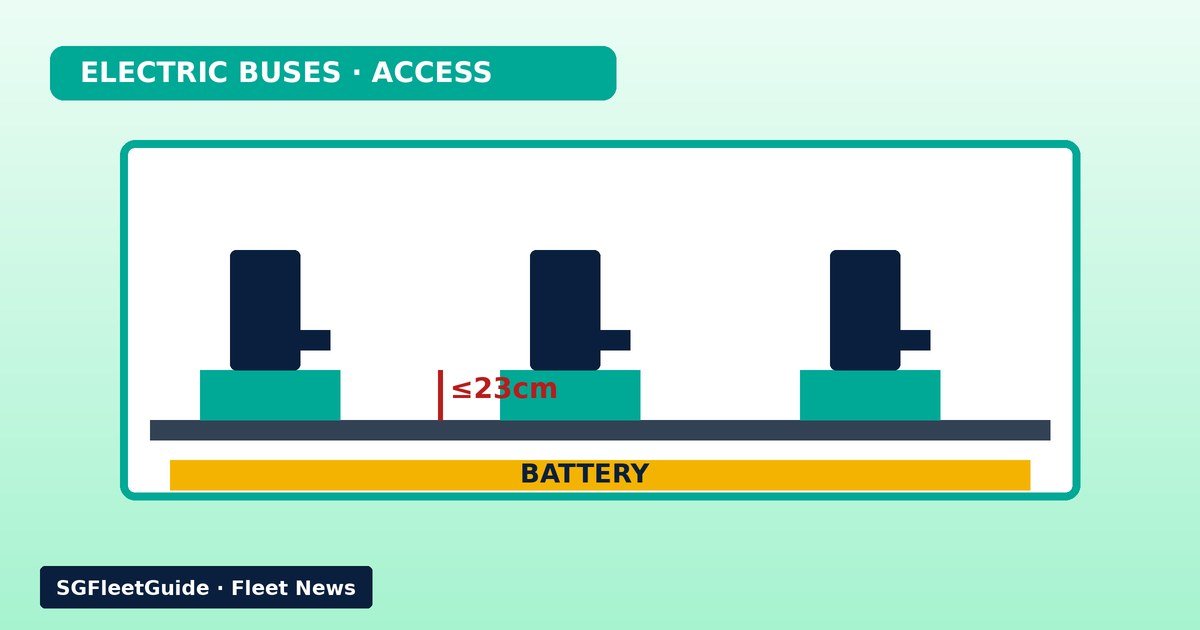
In its reply, LTA explained that the newer electric buses use low-floor boarding, which makes getting on and off easier. To make room for wheel arches, electric motors and battery packs, some seats are mounted on raised platforms. On certain models the step up to those seats is higher than LTA would like, and seniors or passengers with limited mobility may find them hard to use.
The issue mainly affects seats towards the rear and over the wheels, where battery and drive components take up floor space.
LTA said the modifications bring the step height to most seats down to no more than 23cm. Close to 80% of the 420 electric buses have been modified so far, and the rest should be done by the end of 2026.
The authority also addressed three-door buses. It said they have slightly fewer seats because of the extra door, but carry foldable seats in the wheelchair bays to add capacity when the bays are empty. Bus captains are trained to stop as close to the kerb as practicable, and operators are required to make sure this happens.
LTA’s reply also said it will keep working with manufacturers and operators to make buses more accessible and inclusive, which suggests the lessons from these modifications will feed into the specification of future bus orders.
Why it matters for fleet operators: the reply is a useful reminder that battery packaging affects cabin layout. Companies evaluating electric buses or large electric vans for staff transport should check seat access, step heights and floor layout, not just range and price, and consider who will actually be riding in the vehicle every day.
Source: Land Transport Authority (media reply) — Read the original